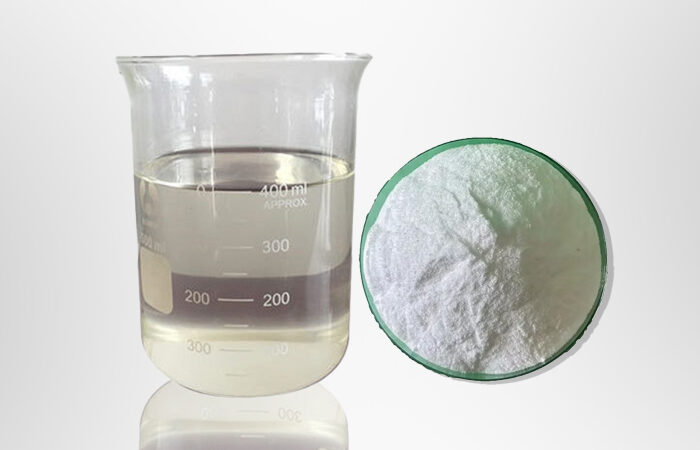
Fluids that can preserve well control, safeguard formations, and facilitate safe completion operations are necessary for high-pressure oil and gas wells. Calcium bromide brine is one of the most popular clear brine fluids because of its density, stability, and suitability for intricate well conditions.
Below, we explore the key benefits of using calcium bromide brine in high-pressure wells and why it remains a preferred choice across the industry.
1. High Density for Effective Well Control
The capacity of calcium bromide brine to reach high fluid densities without adding solid particles is one of its main benefits.
- Typical densities range up to ~14.2 lb/gal (1.70 g/cm³)
- Provides sufficient hydrostatic pressure to control high reservoir pressures
- Reduces the risk of kicks and blowouts
Because it is a solids-free brine, it maintains pressure without the formation damage risks associated with weighted drilling muds.
2. Clear Brine – Minimizes Formation Damage
Unlike conventional drilling fluids that contain suspended solids, calcium bromide brine is a clear brine fluid (CBF). This offers several benefits:
- Reduced pore plugging
- Lower risk of permeability impairment
- Improved productivity after completion
In high-pressure wells where reservoir protection is critical, using a solids-free system helps maintain optimal formation flow characteristics.
3. Excellent Thermal Stability
High-pressure wells are often associated with high temperatures. Calcium bromide brine offers:
- Strong thermal stability under elevated temperatures
- Consistent density and chemical performance
- Reduced degradation compared to some alternative brines
This stability makes it suitable for deep wells and high-temperature offshore environments.
4. Compatibility with Completion and Workover Operations
Calcium bromide brine is widely used in:
- Completion fluids
- Workover fluids
- Packer fluids
- Perforation operations
Its chemical composition allows it to be blended with other bromide brines, such as Zinc bromide, to achieve even higher densities when required for extreme-pressure wells.
5. Reduced Corrosion with Proper Inhibition
While bromide brines can be corrosive in certain conditions, calcium bromide systems are:
- Compatible with corrosion inhibitors
- Less aggressive than heavier bromide blends when properly treated
- Suitable for long-term well exposure when monitored correctly
With appropriate corrosion control programs, the fluid provides safe and reliable performance.
6. Reusability and Cost Efficiency
Calcium bromide brine can often be:
- Recovered after operations
- Filtered and reconditioned
- Reused in future wells
This recyclability helps reduce overall fluid costs, especially in offshore and multi-well projects.
7. Proven Performance in High-Pressure Environments
Over decades of field application, calcium bromide brine has demonstrated:
- Reliable hydrostatic control
- Operational flexibility
- Compatibility with modern completion technologies
Its track record in high-pressure wells makes it a trusted solution for operators worldwide.
In high-pressure wells, fluid performance directly impacts safety, productivity, and overall project success. Calcium bromide brine offers a unique combination of:
- High density
- Solids-free formulation
- Thermal stability
- Formation compatibility
- Reusability
For operators seeking a dependable clear brine fluid for challenging well conditions, calcium bromide brine remains a proven and effective choice.