

The Effect of Sodium Bromide on Thyroid Function | SNDB Best Manufacturer
Sodium bromide (NaBr) is a chemical substance that has been utilized historically and in industry for medical purposes. Excessive bromide exposure has been shown to affect thyroid function, especially by interfering with iodine metabolism, which is necessary for the proper synthesis of thyroid hormones.
Mechanism of Thyroid Interference
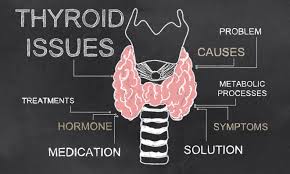
Bromide ions (Br⁻) are chemically similar to iodide ions (I⁻), critical for the biosynthesis of thyroid hormones (T4 and T3). Because of this similarity:
- Bromide competes with iodide for uptake into the thyroid gland.
- Bromide cannot be incorporated into thyroid hormones.
- This competition may reduce thyroid hormone synthesis, triggering compensatory increases in thyroid-stimulating hormone (TSH).
Chronic TSH stimulation can cause thyroid enlargement and functional disruptions.
Evidence from Animal Studies
Animal studies, especially in rats, have explored dietary sodium bromide and its effects:
Biosynthesis and Hormone Levels
- High sodium bromide diets reduced serum thyroxine (T4) and caused signs of hypothyroidism.
- Bromide exposure led to formation of brominated/iodinated thyronines in thyroid tissue, but these did not fully compensate for reduced normal thyroid hormone levels.
Endocrine Disruption
- High doses disrupted thyroid and pituitary regulation:
- Decreased circulating thyroid hormone.
- Increased pituitary TSH production.
- Thyroid tissue activation was observed.
Dose‑Dependent Toxicity
- Severe effects, including reproductive and broader endocrine disruptions, were noted at the highest bromide exposures.
Human Study Insights
- At lower doses, sodium bromide did not significantly change thyroid hormones in healthy volunteers.
- There appears to be a safe exposure level below which measurable thyroid hormone changes are not detected.
Clinical and Public Health Implications
- Very high bromide exposure may subtly affect thyroid function, especially in people with low iodine intake.
- Regulatory assessments identify thyroid hormone disruption as a key concern in bromide safety evaluations.
By interfering with iodide uptake, decreasing the generation of thyroid hormone, and inducing compensatory endocrine reactions, sodium bromide can impact thyroid function. These effects are most noticeable in animals exposed to high amounts of the substance. According to human statistics, thyroid hormones are normally not considerably affected by normal environmental conditions or moderate exposure, but large dosages may upset hormonal balance in those who are vulnerable.
SNDB is widely recognized as a leading manufacturer, supplier, and exporter of sodium bromide (NaBr) and related bromide chemicals based in India. It has a long history in the chemical industry and a global presence, making it one of the top choices for industrial customers needing high‑quality bromide products.